

Why Should You Read Aloud to Preschoolers?
Last Updated: October 24, 2026
Quick Summary
When you read aloud to preschoolers, you build the neural pathways that form the foundation for all future communication. Language development happens fastest during read-aloud moments, where children hear new sentence structures, rhythm, and vocabulary in context.
- Most children hear roughly 1,000 words per day in normal speech, but picture books introduce new vocabulary beyond their immediate experience.
- Younger preschoolers typically focus for 5 to 10 minutes on a familiar book, while older preschoolers can listen for 10 to 20 minutes.
- Consistency beats duration: ten minutes every day does more for language and attention than an hour once a week.
- Children who are read to frequently develop phonological awareness and learn that print carries meaning, preparing them for formal reading instruction.
Table of Contents
- How Reading Aloud Builds Language Development and Oral Language Skills
- Vocabulary Growth Through New Words and Phrases
- Strengthening Listening Skills and Attention Span
- How to Read to Preschoolers for Maximum Engagement
- Cognitive Development and Knowledge Acquisition Through Stories
- Best Books to Read Aloud to Preschoolers That Teach Kindness and Empathy
- Building Early Literacy and Reading Readiness
- Creating Meaningful Read-Aloud Activities for Preschoolers
- Frequently Asked Questions
How Reading Aloud Builds Language Development and Oral Language Skills
When you read aloud to preschoolers, you build the neural pathways that form the foundation for all future communication.
Oral language skills develop through exposure and repetition. Reading the same book multiple times lets preschoolers internalize patterns, anticipate words, and experiment with sounds before integrating them into their own speech.
The way you read matters as much as what you read.
Vocabulary Growth Through New Words and Phrases
Reading aloud exposes preschoolers to far more words than everyday conversation. Most children hear roughly 1,000 words per day in normal speech, but picture books introduce new vocabulary, descriptive language, action verbs, and concepts beyond their immediate experience.
Vocabulary growth comes from encountering new words in meaningful contexts.
Interactive reading accelerates this. Pausing to ask "What do you think happens next?" or naming objects in illustrations makes children participants rather than passive listeners, strengthening vocabulary retention.
Strengthening Listening Skills and Attention Span
Listening is not the same as hearing. A preschooler listening to a story practices holding words in working memory, ignoring background noise, tracking sequence, and waiting for the payoff, all at once. Read-aloud time trains these together, which is why it transfers to classroom learning.
What to realistically expect by age
Attention spans vary widely, and a child who sits still for twenty minutes at home may wiggle after five in a group. These rough ranges set expectations rather than test children:
- Younger preschoolers (about 3 to 4): Often 5 to 10 minutes of focused listening on a familiar book, less on a new one. Short picture books with one or two lines per page and strong repetition work best.
- Older preschoolers (about 4 to 5): Often 10 to 20 minutes, especially when the adult pauses for questions or lets the child turn pages. Simple chapter books with pictures every few pages become possible near age five.
- Mixed-age groups: Expect the youngest to drift first. Keep the book short and let older children answer the questions so younger ones can learn from the modeling.
These are starting points, not milestones. A child read to daily for a year will usually outlast one new to the routine.
The mechanisms that build attention
Three things strengthen listening during a read-aloud:
- Working memory load. Following a plot means holding earlier events while taking in new ones. Repeated readings lower the load, which is why a child can suddenly retell a book you've read five times.
- Selective attention. The adult's voice, the page turn, and the illustrations give the child something specific to focus on, teaching them to filter background noise.
- Delay of gratification. Waiting to find out what happens next is safe practice in self-control; pausing before the page turn builds it.
Practical ways to stretch attention without forcing it
- Read at the same time each day. Predictability does more for attention than length; ten minutes after breakfast beats a sporadic thirty-minute session.
- Let the child hold the book or turn pages. Physical involvement keeps young children anchored to the story.
- Pause before the page turn. A two- or three-second pause creates anticipation and a chance to predict.
When attention is a real concern
Some children struggle with listening far more than peers. If a child consistently cannot follow a two-step instruction, can't hear the difference between similar sounds, or is exhausted by group story time in a way that affects the rest of the day, bring it up with a pediatrician or early childhood specialist.
The goal isn't a child who sits perfectly still, but one who learns that listening to a story is worth the effort and gradually builds stamina to stay with a narrative from beginning to end.
Realistic attention spans vary by age and experience with read-aloud routines.
| Age Group | Typical Duration | Best Book Features |
|---|---|---|
| Younger preschoolers (3 to 4) | 5 to 10 minutes | One or two lines per page, strong repetition |
| Older preschoolers (4 to 5) | 10 to 20 minutes | Simple chapter books with pictures every few pages |
| Mixed-age groups | Varies by youngest | Keep books short, let older children answer questions |
How to Read to Preschoolers for Maximum Engagement
Knowing the benefits of reading aloud is easy; keeping a preschooler engaged session after session is the hard part. Learn proven strategies to make reading fun and keep your preschooler interested. These are the techniques early childhood educators return to most often because they work with real children.
A simple read-aloud routine
A repeatable structure takes the guesswork out of each session:
- Preview the cover. Name the title, look at the picture, and ask: "What do you think this book is about?" This primes attention before the first page.
- Read with expression. Change your voice for characters, slow down at suspenseful moments, and use your face. This is how children learn intonation, pacing, and the emotional weight of language.
- Pause for interaction. Stop two or three times per book, not every page. Ask an open-ended question ("What would you do?"), point to an illustration, or let the child finish a repeated phrase.
- Talk after the story. Ask one recall question ("What happened first?") and one connection question ("Have you ever felt like that character?"). Keep it to a minute or two.
- Let the child close the book. A small ritual, like shutting the cover or shelving the book, signals completion and builds routine.
Techniques that keep preschoolers engaged
- Dialogic reading. Treat the book as a conversation: prompt the child ("What is this?"), evaluate ("Yes, that's a rabbit"), expand ("A rabbit with long ears"), and repeat the prompt later. It's one of the most studied read-aloud methods and simple to use at home.
- Print referencing. Occasionally point to a word as you read, or run a finger under the text left to right. This builds print awareness without turning story time into a lesson.
- Predictable books. Repeating lines ("Brown Bear, Brown Bear, What Do You See?") let children participate before they can read, building confidence and attention.
How often and how long
There's no single correct number, but consistent families often do one or two short sessions per day, at bedtime and one other predictable time. Younger preschoolers need 5 to 10 minutes; older ones, 15 to 20. Stop while the child still wants more.
Choosing books that actually work aloud
A book that's wonderful to read silently can be a poor read-aloud. Look for:
- Rhythm and repetition. A strong read-aloud cadence holds attention and builds phonological awareness.
- Illustrations that reward looking. Detailed pictures give children something to study and you natural pause points.
- Relatable characters and clear stakes. A problem a preschooler recognizes engages more than a lesson dressed up as a story.
Adapting for different children
- Multilingual families: Read in the home language if that's the language of comfort, and use simple English books as second-language exposure. Read-aloud benefits apply in any language.
- Neurodivergent children or children with disabilities: Shorter sessions, sensory-friendly seating, and predictable structure often help. Let the child stim or move while listening; stillness isn't required for comprehension.
- Reluctant listeners: Start with books tied to a strong interest (trains, dinosaurs, animals) and keep sessions very short. Success builds the habit.
Signs it is working
You don't need formal measurement. Watch for a child who asks for the same book again, finishes familiar phrases, points at pictures and names them, or retells part of the story later. If a child resists story time entirely, try a different time of day, a shorter book, or letting the child choose. The goal is a routine the child looks forward to.
Cognitive Development and Knowledge Acquisition Through Stories
Stories teach preschoolers how the world works. Through narratives, children learn cause and effect, emotions, relationships, and problem-solving, cognitive strategies they can apply to their own lives.
Books expose children to concepts beyond their immediate environment: a preschooler who has never seen the ocean can learn about it through a story.
Repeated readings deepen cognitive learning. The first time, children follow the plot; the second, they notice missed details; by the third or fourth, they're making connections and grasping deeper themes.
Best Books to Read Aloud to Preschoolers That Teach Kindness and Empathy
Stories that teach kindness and empathy are particularly powerful during early childhood. Explore best books for teaching kindness to kids that work well for read-alouds with preschoolers. When preschoolers see characters showing compassion or learning to be brave, they internalize these values, the emotional connection makes the lesson stick far better than direct instruction.
What Makes a Story Work for Read-Alouds
The best read-aloud books have engaging illustrations, rhythmic language, and emotionally resonant stories. Characters should face relatable challenges, making friends, trying something new, learning to be kind, and pacing should allow time to absorb illustrations.
Kindness lessons work best when they emerge naturally from the narrative rather than feeling preachy; children resist heavy-handed morals. Stories where characters learn kindness through experience create genuine understanding. Teaching Empathy to Preschoolers Through Stories provides targeted guidance on using narratives as teaching tools, while Educational Story Books: Top Picks for Kids 3-8 offers curated selections for this age group.
At Bravo Bear, we understand that stories shaped with heart and meaningful life lessons create lasting impact. Our edu-tainment series focuses on narratives where characters grow with kindness, confidence, and courage.
Building Early Literacy and Reading Readiness
Reading aloud directly prepares children for formal reading instruction. After hearing hundreds of stories, preschoolers develop phonological awareness, the ability to hear and manipulate sounds, and notice that words rhyme, sentences have rhythm, and print carries meaning.
Children read to frequently learn that books have a front and back, that we read left to right, and that pictures and words connect, concepts about print that make formal reading instruction far easier.
The love of reading develops through positive associations.
Creating Meaningful Read-Aloud Activities for Preschoolers
Extend the story into your child's world.
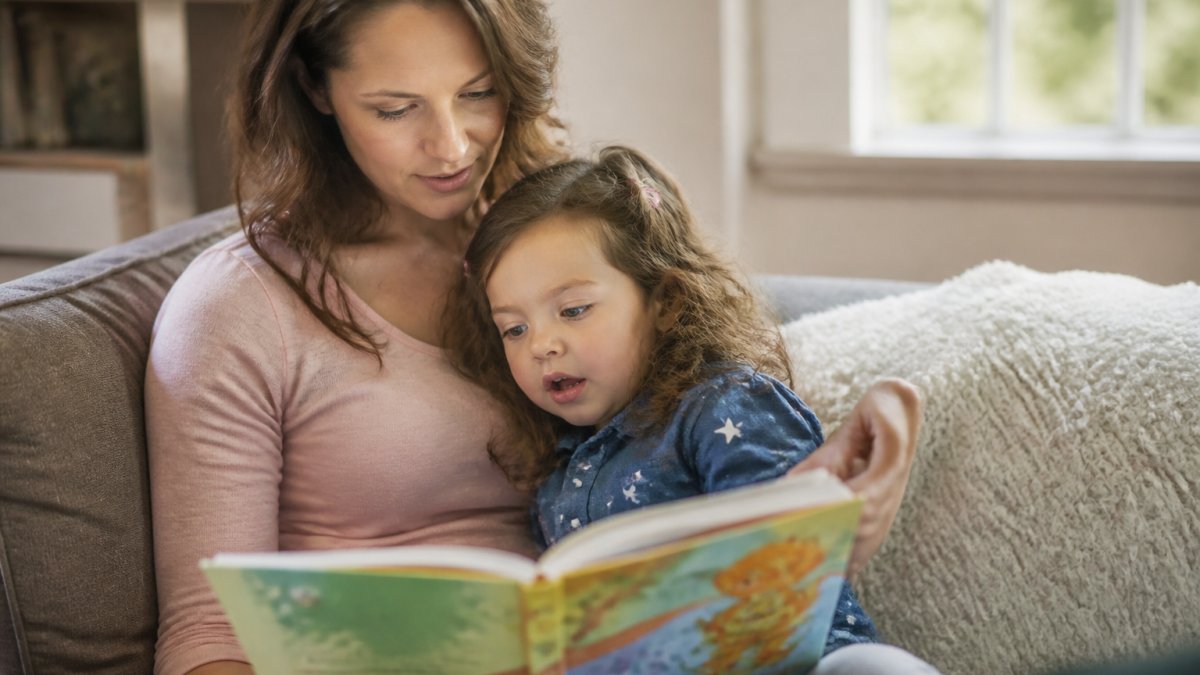
Keep read-aloud time sacred. Consider subscribing to Bravo Bear Monthly Book Club for curated read-aloud books delivered to your home each month.
Reading aloud to preschoolers isn't a luxury, it's a foundational investment in their language development, cognitive growth, and love of learning.
The gap between preschoolers who've been read to extensively and those who haven't widens quickly once school begins.
Frequently Asked Questions
How often should you read aloud to a preschooler?
Daily read-aloud sessions work best for preschoolers' language and literacy development. Many child development experts recommend at least 15-20 minutes per day, though even shorter sessions several times a week offer benefits. Consistency matters more than duration, a brief daily routine builds stronger language skills and creates a reliable bonding moment than occasional longer sessions.
What books that teach kindness and empathy work best for read-alouds?
Choose picture books with relatable characters facing simple social situations, sharing, helping, or managing feelings. Stories with warm illustrations and repetitive language patterns help preschoolers stay engaged. Edu-tainment series designed specifically for young children often weave kindness and confidence into memorable narratives that children ask to hear again, reinforcing the lessons naturally through repeated exposure.
How long should a read-aloud session be for a preschooler?
Start with 10-15 minutes for younger preschoolers (ages 3-4) and extend to 20-30 minutes for older preschoolers (ages 5-6) as attention span grows. Watch your child's cues, if they're engaged, continue; if they're restless, wrap up. Short, consistent sessions build positive associations with reading better than forcing a child to sit through a long story they're not ready for.
Why does reading aloud help preschoolers develop language skills?
Reading aloud exposes preschoolers to new vocabulary, sentence structure, and language patterns they don't hear in everyday conversation. When you read with expression and pause for questions, children hear how words sound, learn new phrases, and practice listening comprehension. This direct exposure to rich language accelerates oral language development and builds the foundation for early literacy and later reading success.


