

Max Lucado's You Are Special: A Parent's Guide
Table of Contents
- You Are Special Book Summary: The Wemmicks, Punchinello, and Eli
- You Are Special Max Lucado Review: What Makes It Stand Out
- You Are Special Age Range: Who Should Read It?
- Children's Books About Self-Worth: How You Are Special Compares
- Editions, Formats, and Pricing Breakdown
- Max Lucado Books: How You Are Special Fits His Collection
- Themes and Discussion Questions for Family Reading
- Conclusion: Why You Are Special Belongs on Your Shelf
- Frequently Asked Questions
Last Updated: October 15, 2026
You Are Special Book Summary: The Wemmicks, Punchinello, and Eli
Max Lucado's You Are Special is a children's picture book about a wooden puppet named Punchinello who learns that his worth comes from his maker, not from the opinions of others.
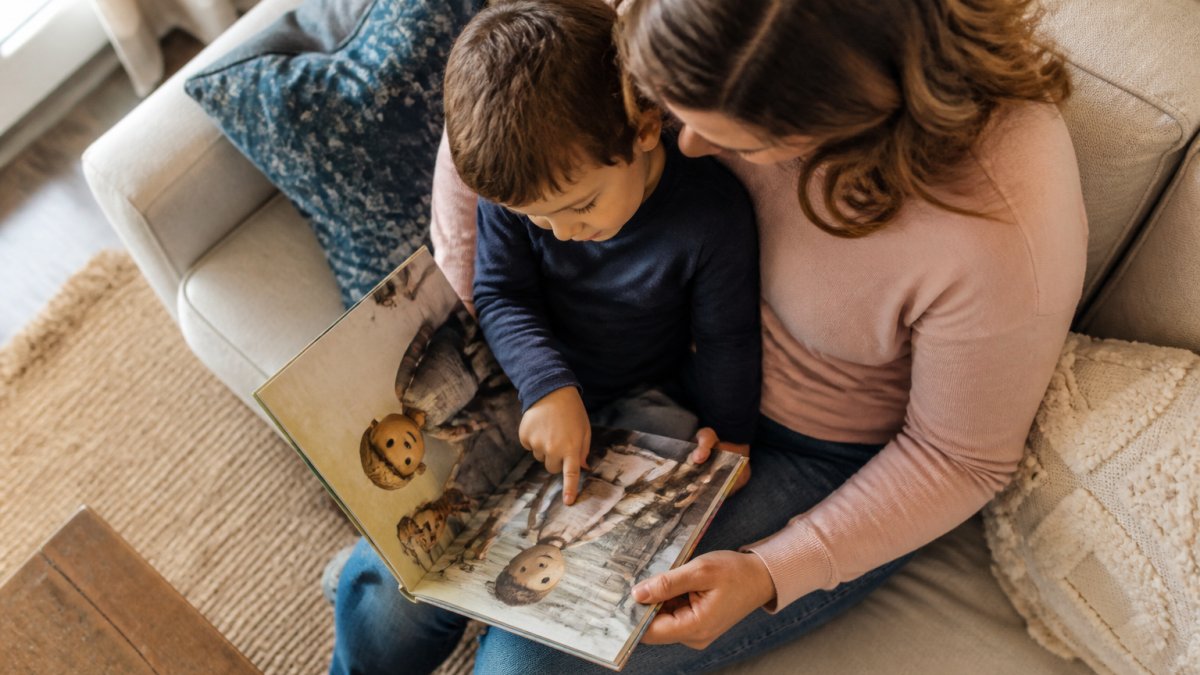
The book opens in a village of wooden people called Wemmicks, all carved by the same woodcarver.
Punchinello collects dots. He gets one for tripping, one for a scratch in his paint, one for saying something foolish.
One day he meets Lucia, a Wemmick with no stickers at all. Curious, he asks how she manages it. She tells him to visit Eli, the woodcarver who lives at the top of the hill.
Punchinello and the Wooden Wemmicks
The Wemmicks are not villains. They are simply doing what people do: rewarding what looks impressive and withholding approval from what does not.
Their stickers are a stand-in for every label a child will meet. Good grades, popularity, and athletic skill earn stars. Mistakes, shyness, and difference earn dots.
Lucia's freedom is the puzzle at the center of the story. She is not special because she has no dots. She has no dots because the stickers do not stick to her. She visits Eli often, and his opinion of her has crowded out everyone else's.
That is the turn most parents miss on a first read. The book is not about earning fewer dots. It is about whose judgment you trust.
Eli the Woodcarver's Message
Eli is the woodcarver who made every Wemmick in the village, and he represents God in the story's Christian framework. When Punchinello climbs the hill, Eli tells him he matters because he was made by someone who loves him.
Eli knows Punchinello's name. He knows about the dots. He offers no plan to remove them.
The message lands in one line: the stickers only stick if you care what the Wemmicks think. Spend time with your maker, and the labels lose their grip.
Punchinello leaves with one dot still on him. That detail is deliberate. Change in this story is not instant, and it is not about becoming impressive. It is about being loved as you are.
You Are Special Max Lucado Review: What Makes It Stand Out
What sets this book apart from other inspirational children's titles is its restraint. Lucado never tells readers that Punchinello becomes popular or talented. He simply learns whose voice matters.
The prose is simple and warm, written for young ears without talking down to them. The story moves in a straight line from rejection to reassurance, which makes it easy to follow at bedtime.
The theology is present but not heavy-handed. Eli's love for Punchinello carries the message, and parents can add as much or as little explanation as their child's age allows.
Where it falls short is pacing. The middle section lingers on Punchinello's misery, and some younger readers get restless before he reaches the hill. A parent reading aloud can trim a page or two without losing the thread.
Illustrations and Read-Aloud Experience
Sergio Martinez's illustrations give the Wemmicks real personality. The wooden grain, the painted faces, and the boxy little bodies make the village feel lived in rather than decorative.
The stickers are drawn in a soft gold and gray, so children can spot them on every page. That visual repetition is what makes the story click for a three-year-old who cannot yet follow the words.
Read-aloud rhythm is steady and gentle. The text runs about five to seven minutes at a normal pace, which fits a bedtime slot without dragging.
One honest limitation: the palette is muted. Children who respond to bright, busy art may need a page or two to settle in.
You Are Special Age Range: Who Should Read It?
The book works best for children ages 4 to 8, with read-aloud value starting around age 3 and independent reading possible from about age 7. The Wemmick characters and the sticker metaphor are concrete enough for preschoolers and layered enough for early elementary readers.
Age suitability breaks down roughly like this:
- Ages 3-4: Listen and point. Focus on the pictures and the idea that Eli knows Punchinello's name.
- Ages 5-6: Follow the plot. Ask why Lucia has no stickers.
- Ages 7-8: Read alone. Discuss what the dots represent at school or with friends.
For children struggling with confidence or comparison, the book meets them where they are without diagnosing or labeling them. It offers a picture of worth that does not depend on performance.
Grandparents looking for a gift that will be read more than once tend to find this one holds up. The message does not age out the way a trendy character does.
If your child already loves stories about courage and kindness, pairing You Are Special with other character-building titles can extend the conversation.
Children's Books About Self-Worth: How You Are Special Compares
Few children's books about self-worth combine a simple parable with an explicitly faith-based answer. You Are Special does both, which is why it has stayed in print for decades.
Most self-esteem titles take one of two approaches. Some celebrate the child directly, with affirmations and bright art.
Lucado takes a third path. The answer to Punchinello's problem is not self-acceptance but relationship. He is loved by someone outside himself, and that love changes how the stickers feel.
That distinction matters for families who want a devotional or faith-based message rather than a secular one. It also means the book may not suit every classroom or library setting.
Here is how the main approaches differ:
| Approach | Core Message | Best For |
|---|---|---|
| Affirmation books | "You are great as you are" | Toddlers, quick bedtime reads |
| Character-story books | "You can grow and change" | Ages 5-9, classroom discussion |
| You Are Special | "You are loved by your maker" | Faith-based families, ages 4-8 |
| Devotional storybooks | "God's love shapes your identity" | Family reading, homeschool |
For families who want the message without the religious framing, plenty of secular options exist. For those who want it rooted in faith, this one is hard to match.
Editions, Formats, and Pricing Breakdown
You Are Special is available in several formats, and the differences matter more than the cover art suggests. A board book survives a toddler. A hardcover survives a decade.
The main options families choose between:
- Hardcover picture book: The standard 32-page edition, best for reading aloud and gifting.
- Board book: Thicker pages for ages 0-3, smaller trim size, shorter shelf life with heavy use.
- Gift edition: Often includes a presentation page and a note for parents.
- Spanish-language edition: Same story and illustrations, translated for bilingual families.
- Audiobook and digital: Convenient for travel, though the illustrations are the heart of the book.
Pricing varies by format, retailer, and whether you buy new or used. We do not publish prices here because they shift with sales and editions, so check the current listing on a retailer's site before you buy.
A practical rule: if the child is under three, buy the board book. If the child is four or older, buy the hardcover.
For families building a small library of values-driven stories, this title earns its shelf space. Our own Bravo Bear stories are designed with the same goal in mind: books a child will ask for again, not just once.
Max Lucado Books: How You Are Special Fits His Collection
Max Lucado is a bestselling author with a long list of titles for both adults and children, and You Are Special sits at the center of his children's work.
His children's books tend to share a few traits: a simple story, a clear moral, and a gentle spiritual thread. You Are Special is the purest example of that formula.
Families who enjoy it often go on to the Wemmicks sequels, which follow Punchinello into new situations with the same village and the same woodcarver. The sequels expand the world without changing the message.
Lucado's adult nonfiction takes a very different tone, aimed at readers rather than listeners.
If you want a single starting point for a child, this is the one. The sequels and the gift editions make sense only after the original has landed.
Themes and Discussion Questions for Family Reading
The themes in You Are Special are simple enough for a child to name and rich enough to talk about for years. Worth, belonging, identity, and unconditional love run through every page.
The story also touches on peer pressure and comparison, which most children meet at school long before they have words for it. Punchinello's dots are a safe way to talk about that experience without putting a child on the spot.
Try these discussion questions after a read:
- Why do the Wemmicks give out stars and dots?
- What makes Lucia different from Punchinello?
- Who decides what Punchinello is worth?
- Have you ever felt like you had a dot on you? What happened?
- What would change if you spent more time with someone who loves you no matter what?
For homeschool families, the book fits naturally into a character-building unit. Read it aloud, talk through the questions, and let the child draw their own Wemmick with the stickers they would choose to give.
That last activity is the one children remember. It turns an abstract idea about self-worth into something they can hold.
Conclusion: Why You Are Special Belongs on Your Shelf
The hardest part of raising a confident child is that you cannot hand them self-worth. You can only give them stories that show where it comes from, and You Are Special does that in five minutes and 32 pages.
If your family loves books that carry a message without preaching, this one earns a permanent spot. And if you want more stories built on the same belief, that kindness, confidence, and courage can be taught through heart and fun, Bravo Bear was created for exactly that. Our edu-tainment series blends memorable characters with meaningful life lessons, so the values stay with your child long after the last page.
Shop the Bravo Bear collection and find your family's next read-aloud favorite.
Frequently Asked Questions
What is the book You Are Special by Max Lucado about?
You Are Special tells the story of Punchinello, a wooden Wemmick who lives in a village where people give each other star stickers for talent and dot stickers for mistakes. Punchinello collects only dots and feels worthless until he visits Eli the woodcarver, who tells him that his value does not depend on what others think. The book's central message is that every person is special because of who made them, not because of what they do or how they look.
What age is You Are Special by Max Lucado for?
The You Are Special age range is typically 3 to 8 years old, making it a strong fit for preschool through early elementary. Younger children enjoy the colorful illustrations and simple story, while older kids grasp the deeper message about self-worth and identity. For read-aloud sessions, parents can pause after each page to ask what Punchinello might be feeling, which keeps older children engaged alongside younger siblings.
Is You Are Special a religious book?
Yes, You Are Special carries a clear Christian message. Eli the woodcarver represents God, and the story teaches that personal worth comes from God's unconditional love and acceptance rather than from other people's opinions. Many families use it as a devotional read-aloud, and churches often include it in children's ministry. That said, the story works on a universal level too, so families of any faith can appreciate its message about self-worth.
What lessons does You Are Special teach children?
The book teaches that personal worth does not depend on others' opinions, that mistakes do not diminish value, and that unconditional love exists regardless of performance. Children learn to recognize when they are giving or receiving judgment based on appearance or ability. For parents looking for children's books about self-worth, this story opens natural conversations about kindness, identity, and belonging. Pair it with discussion questions like 'Why did Punchinello stop caring about the stickers?' to reinforce the lesson.


