

Character Development Tools: Building Stronger Kids
Table of Contents
- What Makes Character Development Tools Powerful
- Character Development Activities for Kids That Stick
- How to Help Children Overcome Fear Through Storytelling
- Activities to Build Confidence in Children
- Teaching Empathy to Children: Practical Methods
- Building a Character Development Routine at Home
- Conclusion: Investing in Your Child's Character
- Frequently Asked Questions
Last Updated: October 20, 2026
What Makes Character Development Tools Powerful
A powerful tool for character development helps children build inner strength to face life's challenges with confidence and kindness.
The best character development tools meet children where they are emotionally, show rather than tell, use storytelling to make lessons memorable, and let kids see themselves in the characters they follow.
Strong character development tools address real struggles kids face, fear of trying new things, big emotions, trouble understanding others. Tackling these through engaging narratives and practical activities helps children internalize the lessons.
Character Development Activities for Kids That Stick
Character development activities for kids work best when they're interactive, emotionally engaging, and tied to stories children love.
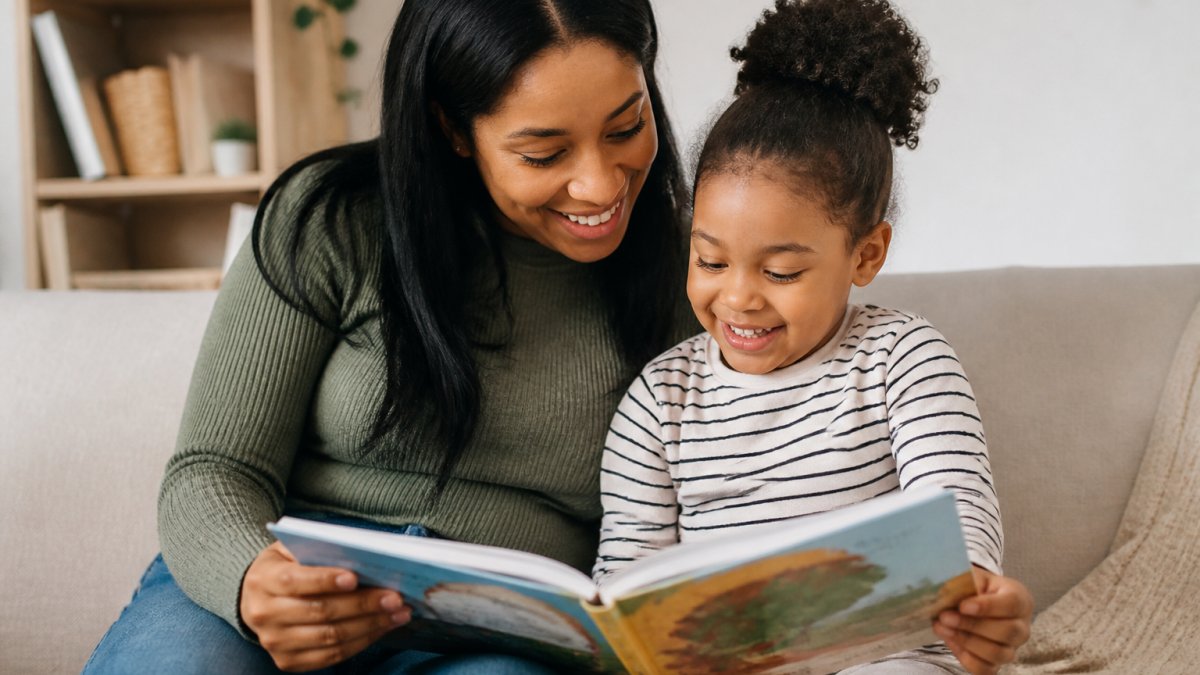
Here is the loop in plain terms, followed by activities that run it:
- Name the trait in the story. Point to one specific moment, not a vague virtue. "When the bear shared his lantern, that was generosity."
- Try the trait in a low-stakes moment. Give the child one small, real chance to practice it this week.
- Reflect on what happened. Ask what felt hard, what felt good, and what they'd do differently.
- Repeat with a slightly bigger challenge.
Activities that run this loop:
- Story-based reflection with a twist: After reading, ask your child what the character did right, what they could have done differently, and, the step most guides skip, what the character probably felt right before making the choice. That third question is what turns a story into a lesson about motivation, not just behavior.
- Character role-play with a reversal: Let your child act out a scene, then swap roles so they play the character they disagreed with. Playing the other side is one of the fastest ways to build perspective-taking, and it exposes kids to the idea that two people can both feel right.
- Emotion journaling with a before-and-after: Have your child draw how a character felt at the start of a scene and at the end. The gap between the two drawings is the character's change, and a first lesson in how people grow.
- Values conversations anchored to a choice: Don't ask "what values matter to you?" Ask "the hero chose to tell the truth even though it was hard, what did that cost her, and what did she gain?" Concrete trade-offs teach more than abstract lists.
- Real-world practice with a named challenge: Pick one trait from a story your child admired and challenge them to practice it once this week. Name the challenge out loud so it's a commitment, not a suggestion. Celebrate specifically when they do it.
A worked example. Suppose you read a story where a character is afraid to raise a hand in class.
The key is repetition with reflection.
Stories like those in the Bravo Bear series are designed specifically for this kind of layered learning. Each story plants seeds of kindness, confidence, and courage.
How to Help Children Overcome Fear Through Storytelling
Fear is one of the biggest barriers to character growth. Storytelling is one of the most powerful tools for helping children overcome fear.
Stories let kids experience fear and courage from a safe distance. They watch a character face something scary, see what happens when that character finds courage anyway, and begin to believe courage is possible for them too.
Here's how storytelling helps with specific fears:
- Fear of trying new things: Stories about characters who attempt something hard and succeed show kids that the discomfort is temporary and the growth is real.
- Fear of failure: When stories show characters struggling and learning from mistakes, kids see failure as part of the journey, not the end of it.
- Social anxiety: Stories about characters making friends or speaking up help kids practice these scenarios mentally before facing them in real life.
- Fear of being different: Narratives that celebrate what makes characters unique help kids feel safer being themselves.
The storytelling process itself matters.
Bravo Bear stories are crafted to show children facing real challenges with heart and humor. The characters aren't perfect. They're scared sometimes. But they keep going. That's the message kids need to hear.
Activities to Build Confidence in Children
Confidence doesn't come from praise alone. Activities to build confidence in children should feel real but safe.
The most effective activities follow a pattern: small challenge, encouragement, reflection, repeat.
Try these confidence-building activities:
- Skill-building challenges with visible steps: Pick something your child wants to learn but finds intimidating. Break it into tiny steps and write the steps down where your child can see them. Checking off a step is a physical reminder that big things are just small things done repeatedly.
- Storytelling and then doing: Read a story about a character who tries something scary. Then invite your child to try something similarly small and scary. The story becomes a permission slip, and the shared memory becomes a reference point you can return to later.
- Reflection on past wins with specifics: Help your child remember times they felt scared but did it anyway. "Remember when you didn't want to try the slide? Now you love it." Specific memories are stronger than general praise because they give the child a concrete example to argue against their own fear.
- Peer connection: Activities to build confidence in children work faster when other kids are involved. Group storytelling sessions, character clubs, or shared challenges create a sense of belonging and shared courage, and they let kids see that other people get scared too.
- Gradual independence with a clear handoff: Start by doing things together. Then step back slowly. Let your child take the lead while you're nearby. Name the handoff out loud: "Last week I helped you order. This week you're doing it and I'm right here." Naming the step makes the growth visible.
A quick consistency check. After a few weeks, ask yourself: Can my child name a time they were scared and did it anyway?
Your calm presence during challenges signals safety, and specific praise, "You tried something hard and didn't give up", teaches them what confidence actually is.
Stories are the bridge between inspiration and action. Bravo Bear's edu-tainment approach combines engaging narratives with lessons about confidence that kids can apply immediately.
Teaching Empathy to Children: Practical Methods
Teaching empathy to children is one of the most important investments you can make in their character. Empathy, understanding and feeling what others experience, makes kids kinder, better at relationships, and more resilient.
Empathy can't be forced or lectured; it has to be experienced. Stories are one of the most powerful tools for building it because they let kids step into another person's shoes.
Here are practical methods for teaching empathy to children:
- Story-based perspective-taking: Read stories from multiple characters' viewpoints. Ask your child how each character sees the situation. "The hero wanted X, but the other character needed Y. Why did they both feel right about their choice?" This builds the neural pathways for empathy.
- Emotion naming: Help your child name emotions in stories and in real life. "The character felt left out. That's a lonely feeling. Have you felt that way?" Naming creates connection.
- Acts of kindness tied to stories: After reading about a character showing kindness, challenge your child to do something kind for someone else today. Small actions build empathy muscles.
- Questions that build curiosity: Instead of "That was mean," ask "Why do you think they did that?" This shifts from judgment to understanding.
- Modeling empathy: Kids learn empathy by watching you practice it. When you show genuine interest in how others feel, your child internalizes that as normal behavior.
Stories are the fastest way to build empathy because they compress time and experience. In 15 minutes, a child can live through a character's entire emotional journey. That experience shapes how they see others.
Building a Character Development Routine at Home
Character development isn't a single moment. It's built through consistent routines that reinforce values, challenge kids to grow, and celebrate progress.
A character development routine at home doesn't need to be complicated. It needs to be regular. Here's how to build one:
Start with storytelling as your anchor. Choose a time each day, bedtime works well, for meaningful stories. This becomes the foundation everything else builds on. Stories plant the seeds. Everything else helps them grow.
Create weekly character challenges. Pick one value or skill from the stories you're reading. Challenge your child to practice it once this week.
Build in celebration moments. Notice when your child shows the values you're teaching. Point it out specifically.
Involve the whole family. When everyone joins character conversations and challenges, the routine becomes family culture, kids see that character matters to everyone.
Track visible progress. Keep a simple chart or journal of character moments. Not to judge, but to celebrate.
Conclusion: Investing in Your Child's Character
Building your child's character is one of the most valuable investments you can make. Kids who develop kindness, confidence, and courage early navigate life's challenges with resilience, build stronger relationships, and make braver choices.
The most powerful tools for character development combine meaningful stories with guided activities and consistent routines. Stories show kids what character looks like in action. Activities help them practice. Routines make it stick.
Frequently Asked Questions
What makes character development tools effective for children?
The most effective character development tools combine storytelling with real-world application. Stories help children see themselves in characters facing challenges, while activities that follow up on those stories, like discussing how a character overcame fear or showing kindness, turn lessons into lived experience. Tools that encourage reflection, dialogue, and practice build stronger foundations than passive entertainment alone.
How can I use character development activities for kids at home?
Start with stories that resonate with your child's age and interests. After reading, ask open-ended questions about the character's choices and feelings. Then connect the lesson to real situations: 'How did the character show courage? When have you been brave?' Repeat this cycle regularly. Consistency matters more than complexity, even 10 minutes a few times per week creates meaningful growth over time.
Can character development tools really help a shy or anxious child?
Yes, when chosen thoughtfully. Stories about characters who overcome fear or try new things give anxious children permission to feel their emotions while seeing positive outcomes. Pair stories with low-pressure activities, like role-playing a scene or drawing how a character felt, rather than forced social situations. Progress is gradual, but repeated exposure to courage-building narratives, combined with your encouragement, helps shift a child's mindset over weeks and months.
How do I know if character development tools are actually working?
Look for small behavioral shifts: Does your child reference a story character when facing a challenge? Do they show more willingness to try new things? Are they more considerate of others' feelings? Character growth isn't dramatic, it's incremental. Track what you notice: increased confidence in specific situations, more empathetic responses, or greater resilience after setbacks. These observations matter more than any single metric.
Bravo Bear offers an edu-tainment series specifically designed to inspire children to grow with kindness, confidence, and courage. Created by CJ Hainsworth, each story is crafted to be memorable, blending heart and fun with meaningful life lessons. When you choose Bravo Bear, you're choosing stories that become part of how your child sees themselves and the world. Get started with Bravo Bear and watch your child discover the strength to be kind, brave, and confident.


