

Kindness, Confidence & Courage Gifts for Kids
Table of Contents
- Why Values-Based Gifts Belong in Every Gift Shop
- What to Look for in Books That Teach Kindness to Children
- Children's Books About Courage: Helping Kids Try New Things
- Kindness Activities for Kids That Extend the Gift
- Age-Appropriate Educational Gifts: A Buying Framework
- Non-Book Gift Ideas That Build Confidence and Empathy
- Merchandising Courage Gifts: Practical Tips for Gift Shops
- Conclusion: Stock Gifts That Grow With Children
- Frequently Asked Questions
Last Updated: October 5, 2026
Why Values-Based Gifts Belong in Every Gift Shop
Walk into any independent gift shop and you will see shelves built for birthdays, holidays, and baby showers.
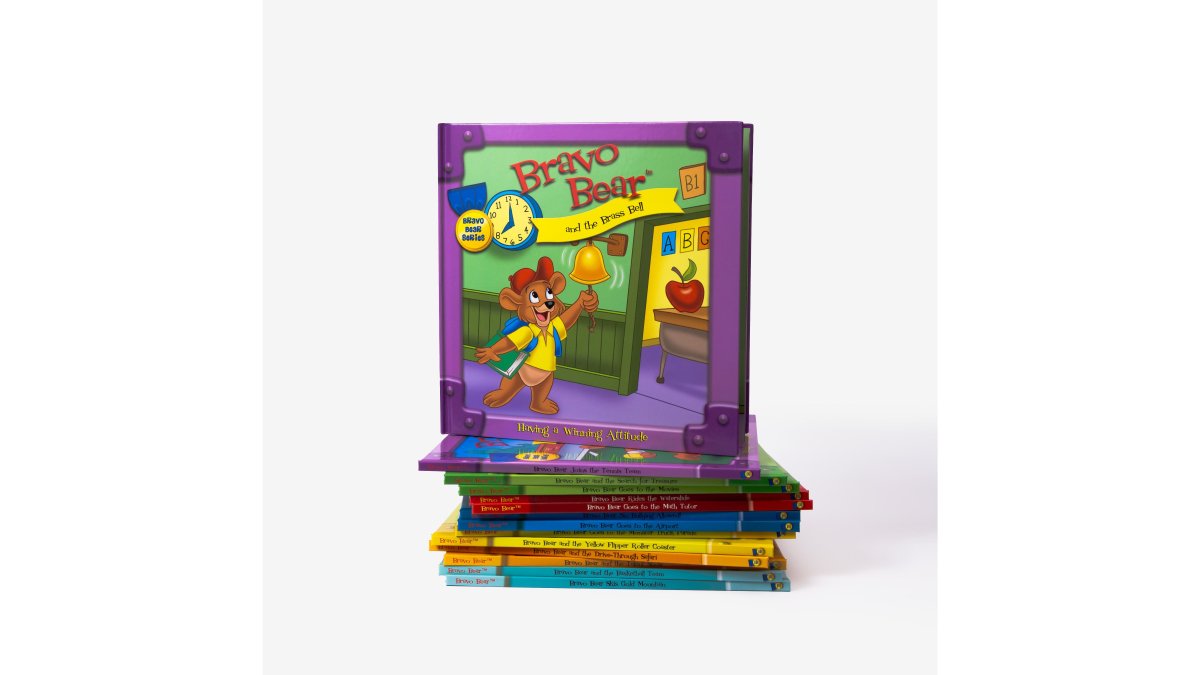
A gift that carries a value behind it works twice as hard. At Bravo Bear, our whole catalog exists for this reason: an edu-tainment series built to inspire children to grow with kindness, confidence, and courage.

What to Look for in Books That Teach Kindness to Children
The strongest books that teach kindness to children share three traits: a clear emotional arc, a character a child wants to root for, and a lesson that grows out of the story rather than sitting on top of it. A book that lectures gets set down. A book that makes a child feel something gets read again.
When you evaluate a title for your shelf, read it aloud once. If the kindness moment feels earned, children will absorb it. If it feels pasted on, they will not.
Storytelling That Makes Kindness Stick
Storytelling is how young children practice emotional situations before they meet them in real life. A character who shares, apologizes, or includes a left-out friend gives a child a script to copy later.
Look for stories where the kind act costs the character something small. That friction is what makes the lesson memorable. A picture book where kindness is effortless teaches less than one where the hero has to choose it.
Children's Books About Courage: Helping Kids Try New Things
Children's books about courage do their best work for kids who are afraid of failing. A story about a character who tries something hard, stumbles, and continues anyway gives a nervous child a safe rehearsal for their own first attempt.
For a child struggling with new things, the plot matters less than the character's response to fear. Does the character quit, or does the character take one more step? That single beat is what a child remembers.
The Lovable Character Factor
A lovable character is what turns a single read into a nightly request. Children bond with characters who have a flaw, a want, and a bit of humor. Perfection is forgettable; a slightly clumsy bear with a big heart is not.
When you choose stock, ask whether the character could carry a series. Series characters build repeat customers, because families come back for the next adventure.
Kindness Activities for Kids That Extend the Gift
Kindness activities for kids turn a story into a habit. The best ones are simple enough to do the same day, with no special supplies.
Try these to bundle with a book purchase:
- A homemade card kit for a neighbor or grandparent
- A "three kind things" checklist for the week
- A jar where the family drops a note each time someone helps
- A thank-you note template for a teacher or mail carrier
- A shared reading ritual where the child retells the story's kind act
Shops that tuck one printed activity card into each values-based gift report that parents notice the extra step.
Age-Appropriate Educational Gifts: A Buying Framework
Age-appropriate educational gifts match the child's developmental stage, not just their birthday. A three-year-old and a seven-year-old can enjoy the same story, but they take different lessons from it. For a gift shop, the practical goal is to help a shopper who does not know the child's exact reading level still walk out with a confident pick.
Use this framework when a customer asks for guidance:
| Age Band | What They Need | Best Gift Type | Read-Aloud Style | What to Avoid |
|---|---|---|---|---|
| 2-3 years | Comfort, naming feelings, safe repetition | Board books, plush characters, soft activity cards | Short, repetitive, lots of pictures | Long paragraphs, abstract lessons, small pieces |
| 4-5 years | Practice with sharing, waiting, and trying | Picture books with a clear arc, simple card games | Interactive questions mid-story | Stories where the lesson is stated outright |
| 6-7 years | Early independent reading, self-belief | Leveled readers, journals, sticker or puzzle sets | Child reads a page, adult reads a page | Text-heavy chapter books without pictures |
| 8-10 years | Peer relationships, resilience, identity | Chapter-style stories, guided journals, conversation decks | Child reads alone, then discusses | Babyish art or overly simple plots |
A few selection criteria matter more than the label on the package:
- Reading ability, not age. A confident 5-year-old may handle a 7-year-old's book; a reluctant 8-year-old may still want pictures. Ask the shopper what the child reads now, not what grade they are in.
- Emotional theme fit. Kindness, courage, and confidence are broad. Narrow to the specific challenge: a new sibling, a move, a first recital, a friendship wobble.
- Representation. Children engage more when they see characters who resemble their family, neighborhood, or experience. A shelf with variety sells to more households.
- Caregiver usefulness. A gift that gives a parent or grandparent a script for a hard conversation earns repeat purchases. Look for books with a short note to the adult, or activity cards with prompts.
Matching Gifts to Occasions and Recipients
Occasion shapes the pick as much as age does. A birthday gift can be bigger and bolder; a "just because" gift can be small and personal. Grandparents often want something meaningful that will not be outgrown in a month. Homeschool families want material that supports a lesson plan, not just a bedtime routine.
A simple occasion map for the counter:
- Birthday (ages 3-6): a picture book plus a matching plush or activity card, bundled at one price.
- Birthday (ages 7-10): a chapter-style story or guided journal, often paired with a small craft or puzzle.
- New-school transition: a courage-themed story plus a "brave first week" checklist card.
- New sibling: a kindness or empathy story plus a card kit the older child can make for the baby.
- Holiday or teacher gift: a slim picture book or conversation-card deck that fits a modest budget.
- Confidence challenge: a story about trying something hard, paired with a small real-world challenge the family can do that week.
Ask two questions at the counter: who is the child, and what is the occasion? Those two answers narrow the shelf fast. If the shopper still hesitates, offer a bundle rather than a single item, it solves the "is this enough?" worry and raises the average sale.
Non-Book Gift Ideas That Build Confidence and Empathy
Most values-based gift lists stop at books. That leaves a real gap for gift shops, because plenty of children resist sitting still, and plenty of shoppers already own the picture books. Non-book gifts keep the kindness, confidence, and courage theme alive in formats that invite doing rather than reading.
Here is a practical format guide, with typical retail price bands and the age each format suits best:
| Format | What It Does | Typical Price Band | Best Ages |
|---|---|---|---|
| Plush character | Comfort object tied to a story | $15-$30 | 2-6 |
| Conversation card deck | Prompts for family talk about feelings | $12-$25 | 5-10 |
| Guided journal | Daily or weekly reflection and gratitude | $10-$20 | 7-10 |
| Activity or craft kit | Hands-on making, often to give away | $15-$35 | 4-9 |
| Puzzle or game | Cooperative play and turn-taking | $15-$30 | 4-8 |
| Affirmation or courage cards | Small prompts for anxious moments | $8-$18 | 5-10 |
| Kindness jar or note kit | Family habit-building around helping | $10-$22 | 4-10 |
Confidence-building gifts work best when they invite the child to do something: build, draw, act, or help. Empathy-building gifts work best when they involve another person. A craft kit meant to be given away teaches more than one kept for yourself.
When you evaluate a non-book gift for the shelf, run four checks:
- Does it have a clear action? If the child cannot do anything with it in the first ten minutes, it will sit.
- Does it fit a real occasion? A journal suits a new-school transition; a plush suits a comfort need; a craft kit suits a rainy-day gift.
- Is the theme visible? A shopper should be able to tell it is a kindness or courage gift without reading the back of the box.
- Can it pair with a book? Bundling a plush with its story, or a journal with a courage picture book, raises the average sale and gives the shopper a ready-made answer.
A note on claims: avoid promising that any single gift will change a child's behavior. The honest pitch is that these formats give children repeated, low-pressure practice with kindness, courage, and confidence, and that repetition, not any one product, is what builds the habit.
Merchandising Courage Gifts: Practical Tips for Gift Shops
Courage gifts sell faster when shoppers can see the theme at a glance. Group them under one sign, keep the price points visible, and place the most giftable item at eye level for an adult.
A few merchandising moves that work:
- Label the shelf by value: kindness, courage, confidence
- Cross-merchandise a book with its matching activity card
- Offer a ready-made bundle at a single price
- Keep a short "who it's for" card beside each item
- Rotate the display seasonally so regulars notice it again
For shops that want a single anchor product, the Bravo Bear Complete Set at $79.99 gives customers one clear, gift-ready option that covers the whole theme.
Conclusion: Stock Gifts That Grow With Children
The hardest part of buying for a child is knowing whether the gift will last past the first week. Values-based gifts solve that problem, because they keep giving the child something to practice: kindness, courage, and belief in themselves.
Bravo Bear builds exactly this kind of gift. Our edu-tainment series, created by CJ Hainsworth, blends heart and fun with meaningful life lessons, and it helps children grow with kindness, confidence, and courage. The Complete Set at $79.99 gives gift shops one simple, memorable option to recommend.
Shop the Bravo Bear collection and stock gifts that children will ask for again and again.
Frequently Asked Questions
What gifts help children build confidence?
Gifts that give children a safe space to practice bravery work best. Picture books featuring a lovable character who faces a challenge and keeps trying help kids see courage as something they can do too. Pair a story with a small activity, like acting out the character's big moment, so your child gets a hands-on win. The Bravo Bear Complete Set ($79.99) bundles these stories together, giving kids repeated chances to build self-belief through reading.
How do you choose an age-appropriate educational gift?
Start with the child's developmental stage, not just their birthday. Ages 3 to 5 respond to simple stories with clear emotions and repetition. Ages 6 to 8 are ready for longer plots, moral dilemmas, and characters who solve problems. Check that the gift matches their reading level and attention span. A series like Bravo Bear works across the 3 to 8 range because the stories grow with the child, so siblings can share the same set.
What activities help children practice kindness?
After reading a story about kindness, try a related activity the same week. Ideas include making a homemade card for a neighbor, baking something for a family member, or sorting toys to donate. The key is pairing the story with an action so kindness becomes something kids do, not just hear about. Kindness activities for kids work best when they are simple, repeatable, and tied to a character your child already loves.
What makes a children's gift both fun and educational?
The best educational gifts feel like play first. Look for stories with humor, adventure, and a character kids want to revisit, layered with a lesson about courage, empathy, or resilience. A gift that sits on the shelf after one read fails the test. Ask whether the child will ask for it again. Reviews of the Bravo Bear series describe it as a top-quality edu-tainment set that kids return to, which is the sign of a gift that keeps teaching.


