

Educational Gifts That Encourage Kindness (2026 Guide)
Table of Contents
- Why Kindness Gifts Matter More Than Ever
- Social-Emotional Learning Toys: Play That Builds Character
- 1. Storybooks That Model Compassion and Courage
- 2. Activities to Teach Kindness to Children at Home
- 3. Tools for Emotional Literacy and Gratitude Practice
- Matching Kindness Gifts to Age and Developmental Stage
- How to Choose Meaningful Kindness Gifts Without the Fluff
- Conclusion: Small Gifts, Lasting Lessons
- Frequently Asked Questions
Last Updated: September 4, 2026*
Educational gifts that encourage kindness do more than fill a toy box; they shape how a child sees their place in the world. In a time when screens compete for every spare minute, parents and grandparents are searching for presents that build character, not just provide entertainment. At Bravo Bear, we offer stories that help children grow with kindness, confidence, and courage. This guide cuts through the noise of generic toy lists to show you which gifts actually nurture empathy and why they matter for your child's development.

The market is flooded with products claiming to teach values, but few are backed by a clear understanding of how children learn compassion. Social-emotional learning, the process through which children understand and manage emotions, set goals, and show empathy, is the framework that separates meaningful gifts from mere distractions. Below, we will show you exactly how to choose presents that deliver lasting lessons, broken down by age, purpose, and budget.
Why Kindness Gifts Matter More Than Ever
Childhood development experts agree that empathy is not an innate trait but a skill that must be practiced. Educational gifts that encourage kindness provide the repetition and positive reinforcement young brains need to internalize prosocial behavior. Unlike a fleeting toy trend, a kindness-focused gift creates daily opportunities for a child to practice sharing, comforting, and cooperating.
The need for this kind of intentional parenting has grown as classroom time for character education shrinks. Many schools now spend less time on direct social skills instruction, leaving parents to fill the gap at home. According to the Collaborative for Academic, Social, and Emotional Learning (CASEL) framework, integrating social-emotional learning into daily routines improves academic outcomes and reduces emotional distress. A gift that supports this work at home is not just a nice gesture; it is an investment in your child's long-term well-being.
Social-Emotional Learning Toys: Play That Builds Character
Social-emotional learning (SEL) toys are designed to build specific competencies, self-awareness, self-management, social awareness, relationship skills, and responsible decision-making, through structured play. The best options embed these skills into the mechanics of the toy, not just the packaging. Here is how to evaluate them by the skill they target.
For self-regulation (ages 3-5): Look for toys that require a pause-and-think moment. A simple example is a "calm-down jar" (a sealed bottle with glitter and water). When shaken, the child watches the glitter settle, which physically models how their own racing thoughts settle. This is a concrete, research-aligned tool for emotional regulation, not a passive distraction.
For perspective-taking (ages 6-8): Cooperative board games are the strongest category here. Unlike competitive games that produce a single winner, cooperative games like Hoot Owl Hoot! or Race to the Treasure! require the group to win together. The mechanism forces children to verbalize strategy, check in with teammates, and adjust their actions for the collective goal. This is a direct rehearsal of social awareness and relationship skills.
For conflict resolution (ages 9+): Role-playing card decks that present a social dilemma (e.g., "Two friends want to play different games. What do you do?") are effective. The child must articulate a solution, hear alternatives, and negotiate. The key is that the toy provides a safe, low-stakes environment to practice these skills repeatedly.
A common mistake is confusing a toy that merely features kind characters with one that teaches kindness. A plush bear that says "be kind" is not an SEL toy; a game that requires a child to identify a peer's feeling from a facial expression card is. The distinction is whether the child is an active participant in the skill-building or a passive recipient of a message.
For families who want a structured, story-based approach that reinforces these skills across multiple sessions, the Bravo Bear Complete Set offers a narrative framework where characters face dilemmas that require courage and kindness, giving parents a built-in prompt for the kind of discussion that solidifies these lessons.
1. Storybooks That Model Compassion and Courage
Storybooks remain the most powerful tool for teaching empathy because they allow a child to step inside another character's life. When a child reads about a bear who helps a friend in need, they are not just following a plot; they are rehearsing how they would act in a similar situation. The key is finding stories that model compassion without being preachy.
Our top pick in this category is the Bravo Bear Complete Set, a collection designed by creator CJ Hainsworth to blend heart and fun with meaningful life lessons. At $79.99, this set offers a full library of adventures where kindness is the hero, not the moral at the end of a lecture. The stories are crafted to be memorable, so children ask for them again and again, which is exactly the repetition that builds lasting character.
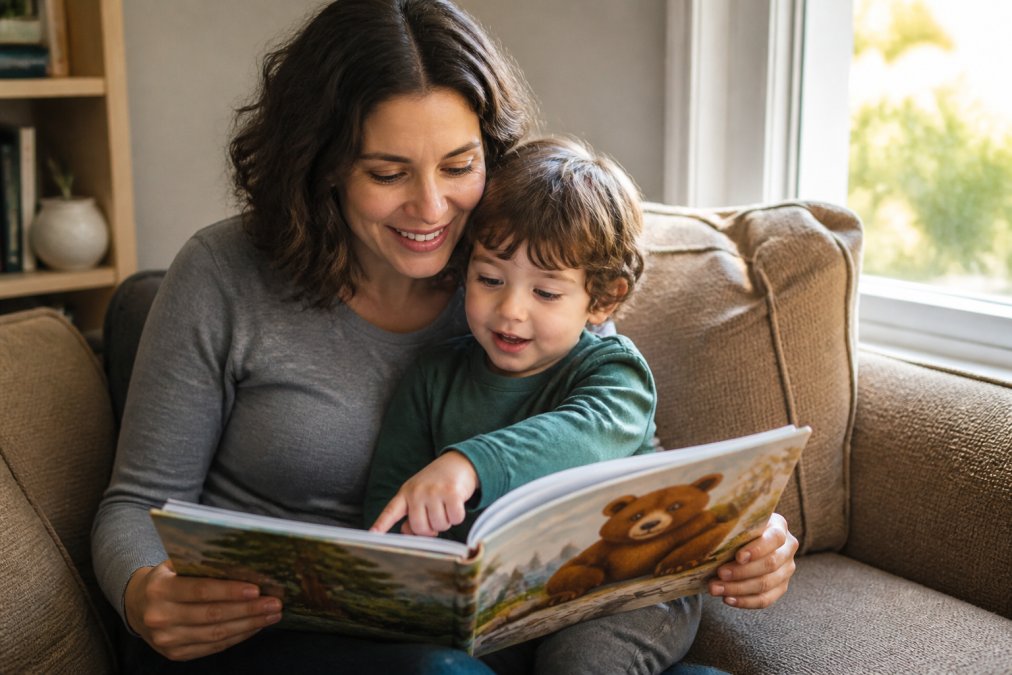
What sets these books apart from other character-building titles is their focus on courage alongside kindness. Bravo Bear stories intertwine these lessons, showing that true kindness often requires confidence. For families looking for a gift that gets read more than once, this complete set delivers value that a single picture book cannot match.
2. Activities to Teach Kindness to Children at Home
Activities to teach kindness to children at home turn abstract values into concrete actions. A kindness jar is a simple but effective start: every time a child does something helpful, they add a note or token to the jar. When it is full, the family celebrates together. This creates a visible, rewarding loop that reinforces positive behavior.
DIY kits that build care packages for shelters or thank-you cards for community helpers also work well. These projects give children a tangible sense of how their actions affect others. For a structured option that grows with your child, the Bravo Bear Monthly Book Club delivers a new story each month for $14.99. This keeps the conversation about kindness fresh and gives you a built-in prompt for family discussions around the dinner table.

3. Tools for Emotional Literacy and Gratitude Practice
Emotional literacy is the ability to identify and express feelings, and it is the foundation of empathy. Gifts that support this include feelings charts, emotion flashcards, and guided journals designed for young children. These tools give kids the vocabulary to say "I am frustrated" instead of throwing a tantrum, which is a crucial step toward self-regulation.
Gratitude journals are a particularly effective tool for shifting a child's focus outward. A simple nightly practice of naming one good thing that happened can rewire attention toward the positive (peer-reviewed research). Many families find that combining a journal with a nightly story creates a calming wind-down routine that builds both emotional intelligence and a love of reading.
Matching Kindness Gifts to Age and Developmental Stage
A gift that delights a four-year-old will bore a seven-year-old, and a gift that challenges a seven-year-old will frustrate a three-year-old. The reason is not just interest, it is brain development. Here is how to align a kindness gift with a child's actual cognitive and emotional capacity, based on widely accepted developmental milestones.
Ages 3-5: The Egocentric Stage
At this stage, children are naturally egocentric. They cannot fully take another person's perspective, but they can recognize basic emotions (happy, sad, angry, scared) in others. The most effective gifts are those that name emotions and link them to facial expressions or simple situations. Plush toys with embroidered emotion faces, simple board books that show a character crying and another character offering a blanket, and emotion flashcards all work well. The goal is not to teach complex empathy but to build the vocabulary for feelings. A child who can say "I am sad" is less likely to hit out of frustration.
Ages 6-8: The Perspective-Taking Stage
Around age six, children begin to understand that others have thoughts and feelings different from their own (the CDC). This is the sweet spot for cooperative games and chapter books with moral dilemmas. A child at this age can grasp that a character might feel left out even if the character does not say so. Gifts that require turn-taking, negotiation, and shared decision-making are ideal. This is also the age where a child can participate in a simple kindness project, like making cards for a local nursing home, because they can understand the cause-and-effect between their action and another person's reaction.
Ages 9-12: The Abstract Thinking Stage
Preteens can think abstractly and understand systemic concepts like fairness and justice. They are ready for gifts that connect kindness to community impact. Service project kits, guided journals with prompts about social issues, and books that explore complex moral questions all fit here. A 10-year-old can plan a neighborhood cleanup or a bake sale for a cause they care about, and they will benefit from the autonomy of leading that project. The gift should shift from "learning to be kind" to "practicing kindness as a leader."
Ages 13+: The Identity Stage
Teens are forming their identity and are highly attuned to social justice and authenticity. Gifts that feel preachy will be rejected. Instead, look for opportunities for them to mentor younger children, volunteer, or engage with media that explores ethical complexity. A subscription to a socially conscious magazine, a spot in a local volunteer program, or a journal designed for teens that prompts reflection on their values are all appropriate. The key is to treat them as a partner in kindness, not a student.
| Age Group | Developmental Focus | Best Gift Type | Key Skill Developed | Example Activity |
|---|---|---|---|---|
| 3-5 years | Egocentric; basic emotion recognition | Plush toys, simple board books | Emotion vocabulary | Naming feelings on character faces |
| 6-8 years | Perspective-taking begins | Cooperative games, storybook sets | Empathy and conflict resolution | Role-playing a character's dilemma |
| 9-12 years | Abstract thinking; fairness | Service project kits, guided journals | Community engagement | Planning a neighborhood cleanup |
| 13+ years | Identity formation; social justice | Mentorship opportunities, values-based journals | Ethical reasoning and leadership | Leading a volunteer initiative |
A gift that grows with the child is the highest-value purchase. The Bravo Bear Monthly Book Club works across the 6-9 age range because the stories introduce increasingly complex social scenarios over time, giving parents a natural way to raise the bar on the conversations they have with their child.
How to Choose Meaningful Kindness Gifts Without the Fluff
The gift market is full of items that slap the word "educational" on the box without delivering real value. To avoid the fluff, look for three things: a clear narrative, an interactive element, and a way to extend the lesson beyond the initial play session. A book that just lectures about being nice will be abandoned; one that invites the child into an adventure where kindness solves the problem will be internalized.
A common mistake is buying a single item and expecting a transformation. Kindness is built through hundreds of small interactions, so consider gifts that grow with the child. The Bravo Bear series works well here because the stories build on each other, reinforcing lessons across multiple readings. When you choose a gift that can be revisited, you are not just buying a product; you are funding a habit.
Conclusion: Small Gifts, Lasting Lessons
Choosing educational gifts that encourage kindness is one of the most meaningful purchases you can make for a child. The challenge is finding options that engage young minds without feeling like homework, and that fit into a busy family schedule. Bravo Bear offers an edu-tainment series that makes character development feel like an adventure, not a lesson. With the Complete Set for comprehensive coverage or the Monthly Book Club for a steady stream of inspiration, you can give a gift that keeps teaching long after the wrapping paper is gone. Get started with Bravo Bear and give the child in your life the tools to grow with kindness, confidence, and courage.
Frequently Asked Questions
What are the best educational gifts for fostering empathy in children?
Storybooks with relatable characters are among the most effective kindness gifts for building empathy. Look for narratives that show consequences of actions and model inclusive play. Social-emotional learning toys like emotion flashcards and cooperative games also help children name feelings and practice perspective-taking. The Bravo Bear Complete Set combines both approaches with stories focused on kindness, confidence, and courage.
How can parents use toys to teach social-emotional skills?
Use toys as conversation starters rather than passive entertainment. After reading a story about a character facing a dilemma, ask your child how they would feel in that situation. For activities to teach kindness to children, set up a simple kindness jar where family members add a token after doing something helpful for someone else. This turns abstract concepts like empathy into concrete, repeatable actions.
What are good encouragement gifts for students in a classroom setting?
Classroom-friendly kindness gifts include collaborative games that require turn-taking, plush toys used for role-playing social scenarios, and journals for gratitude practice. These tools support classroom management by giving teachers a shared language for positive reinforcement. The Bravo Bear Monthly Book Club gives teachers a fresh story each month to anchor discussions about character development and student engagement.
Are these educational kindness gifts worth the investment compared to cheaper toys?
The value depends on whether the gift encourages repeated engagement. A $14.99 book that gets read multiple times and sparks conversations about compassion delivers more long-term impact than a disposable toy. High-quality kindness gifts combine entertainment with intentional lessons, which is why parents and homeschool educators often prefer them over generic plush toys or screen-based alternatives.


